


It is estimated that there are about 2000 diets that people hope will reduce excess weight and improve their health.Many very trendy diets have recently been forgotten or are considered downright harmful, but there are “eternal classic diets” that have proven their effectiveness through long-term practice.The most effective methods of losing weight include the buckwheat diet, which is based on the consumption of buckwheat as the only or main product for a certain period of time - from 1 day to 2 weeks.
This diet has many advantages but few disadvantages and contraindications, so it has been used for many years and will continue to be used in official diets.
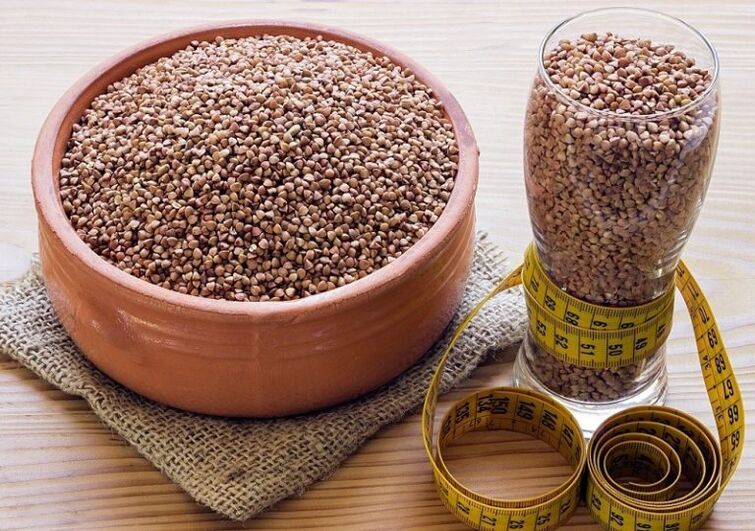
Why exactly buckwheat and what is a buckwheat diet?
Today, buckwheat is recognized as one of the most valuable cereal foods.It has a unique vitamin and mineral composition, high content of iron, magnesium, phosphorus, potassium, iodine.Only buckwheat contains a complete set of all important amino acids, biologically active substances as well as fiber, which helps to clean the intestines well, creating a weight loss effect.Buckwheat also helps with weight loss because this grain is rich in easily digestible plant proteins, all of which are converted into energy;Porridge helps you feel full for a long time.Buckwheat is also free of gluten, the main allergen in grains and cereals.Thanks to this, people with allergies can also eat porridge, unless the individual is intolerant to the product.
The buckwheat porridge diet belongs to the type of mono-diet, that is, during the period of dietary restrictions, the main product is only porridge prepared in a special way.Eat 4-5 times a day, the optimal amount of ready-made porridge for each serving is 200 g.
It is acceptable to use some supplements, which makes following the diet less difficult.The effectiveness of weight loss with a buckwheat diet depends on its duration and severity.Weight loss with buckwheat allows you to lose 0.5 kg in 1 day to 12-15 kg over a two-week course.
Who shouldn't?
There are a number of contraindications to the use of buckwheat diet:
- individual intolerance;
- kidney failure;
- gastritis with high acidity;
- stomach or duodenal ulcer;
- diabetes mellitus types 1 and 2;
- lactation period (to maintain the value of breast milk and adequate milk volume).
Pregnant women are not contraindicated to use a buckwheat diet but must follow the following recommendations:
- consultation with the doctor leading the pregnancy is required;
- prohibit starvation;
- you need to choose a gentle form of diet with complementary products;
- Limited time not exceeding 3 days.
Diet rules
In order for the results of the diet to please you, you must adhere to certain rules.The first and most important thing is a positive attitude and the belief that limitations will not be in vain.You should also follow these recommendations from nutritionists:
- in the buckwheat diet, eat only bright or green grains, do not use a lot of fried cereals;
- Cereals should not be boiled, but should be steamed in boiling water or soaked in kefir for at least 6 hours;
- The finished seeds must not be hard so as not to scratch the stomach lining;
- number of meals - 4-6 meals a day in equal quantities;
- You should eat your last meal 4 hours before going to bed;
- Buckwheat diet requires drinking a sufficient amount of liquid - at least 2.5 liters per day of clean water or unsweetened green tea;
- Porridge must be chewed thoroughly;swallowing it is unacceptable;
- You can maintain a single buckwheat diet for no more than 2 weeks.
For people with problems with the digestive tract, a lighter diet based on boiled buckwheat can be tolerated.
Basics of single servings on buckwheat
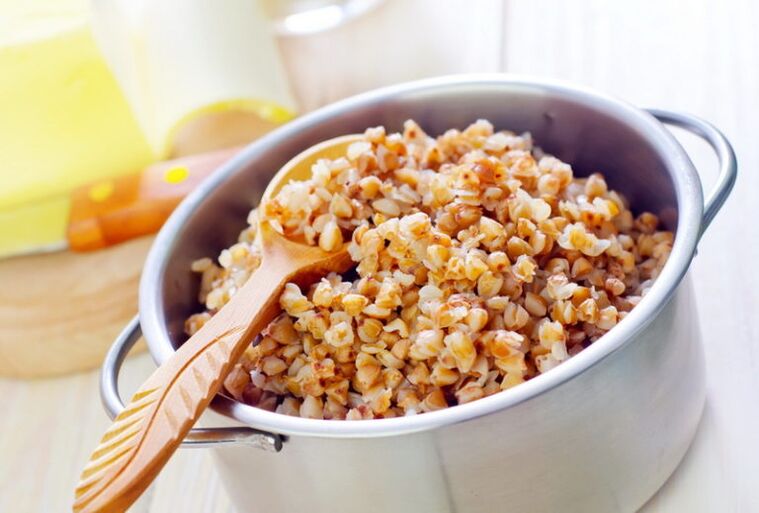
The main thing in this method of losing weight is that the cereal is properly prepared.It can be safely said that the buckwheat diet is for lazy people, because... there is no need to prepare porridge for each meal.The daily ration is prepared 1 time in advance and without much trouble: 1 glass of cereal must be cleaned from unnecessary impurities, rinsed several times until the drain is clear and filled with 2.5 glasses of boiling water.Cover the pan and leave it like that until morning.Do not add salt.The easiest way to steam is to use a thermos with a wide neck.
In the morning, you can rinse the porridge with boiling water, divide it into portions, store in the refrigerator (no more than 12 hours) and heat to a comfortable temperature before eating.
For green buckwheat, the mandatory step is to rinse with hot water before using.This removes mucus and phytic acid, which cause a bitter taste and prevent complete absorption of nutrients.
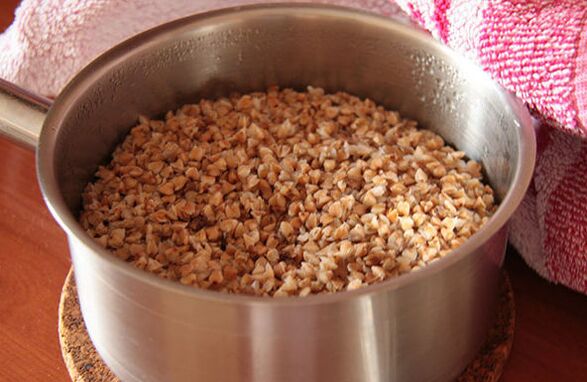
For those who find it difficult to chew buckwheat alone, you can add a little warm boiled water to make a kind of buckwheat soup.
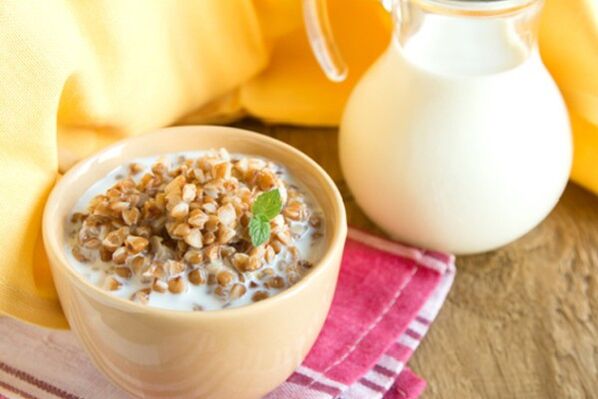
If buckwheat is soaked in kefir, it is completely ready to eat.
What should you exclude from your diet?
Mono diet includes the consumption of only main products and liquids.It is difficult to withstand such strict restrictions for more than 5-7 days, so for longer periods you can include some products in the diet.But there is a list of things that are strictly forbidden;they neutralize all the positive effects of the diet.These include:
- salt;
- sugar and synthetic sweeteners;
- oils and other fats;
- fresh milk and sour cream;
- cheese and fatty cheese;
- fatty meat and fish;
- bread and other baked goods;
- candy, confectionery;
- potato;
- all grains;
- egg;
- tea, coffee, packaged and sweetened juices, juices;
- all kinds of soda, mineral water;
- some fruits: grapes, bananas, pears, plums, pineapples, apricots and peaches, strawberries, watermelons, pumpkins, melons, oranges, tangerines;
- almost all vegetables (list of permitted ones follows);
- all types of nuts - because of their high calorie content;
- all types of beans;
- mushroom;
- date;
- sunflower seeds and pumpkin seeds;
- all kinds of spices and seasonings;
- all snacks and fast foods;
- alcohol in any form.
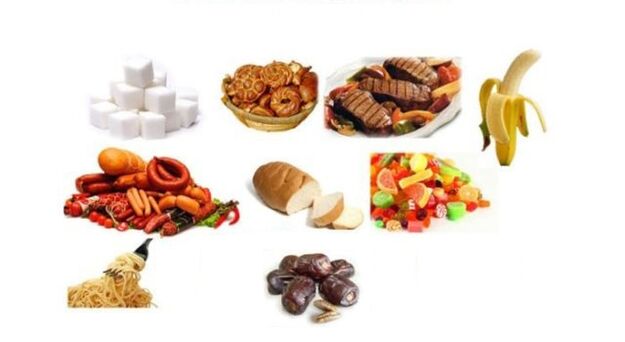
Some nutritionists insist that honey, chocolate and dried fruits are forbidden foods, others believe that a spoonful of honey a day, a block of chocolate, a few pieces of dried apricots or prunes in a long-term diet will help alleviate hunger and replenish energy deficiency.This is very important for people who work intensely, and for pregnant women, dried fruits must be included in the diet.
Qualified products
The list of foods and dishes that can be combined with buckwheat depends on the type of diet you choose.
With a strict short-term mono diet (3-5 days), there are only two of them:
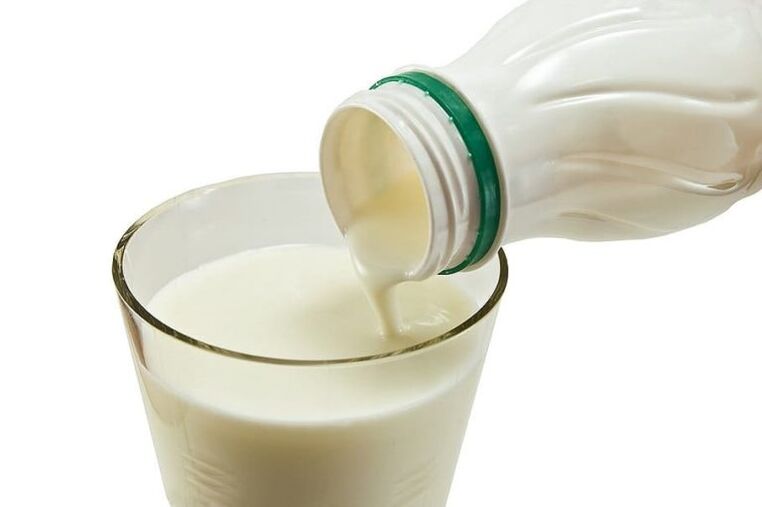
- low-fat kefir (no more than 1%);
- Homemade yogurt without skim milk additives.
It is not recommended to use curd, whey and ayran - they cause bloating and water retention in the body.
In therapeutic and weight loss diets lasting more than 3 days, the following products are allowed to be included in the diet:
- kefir (up to 1 liter per day), yogurt without additives (0.25 liters per day);
- low-fat cheese (up to 150 g);
- boiled meat - chicken fillet, turkey, veal, beef (up to 200 g);
- boiled (or steamed) lean fish;
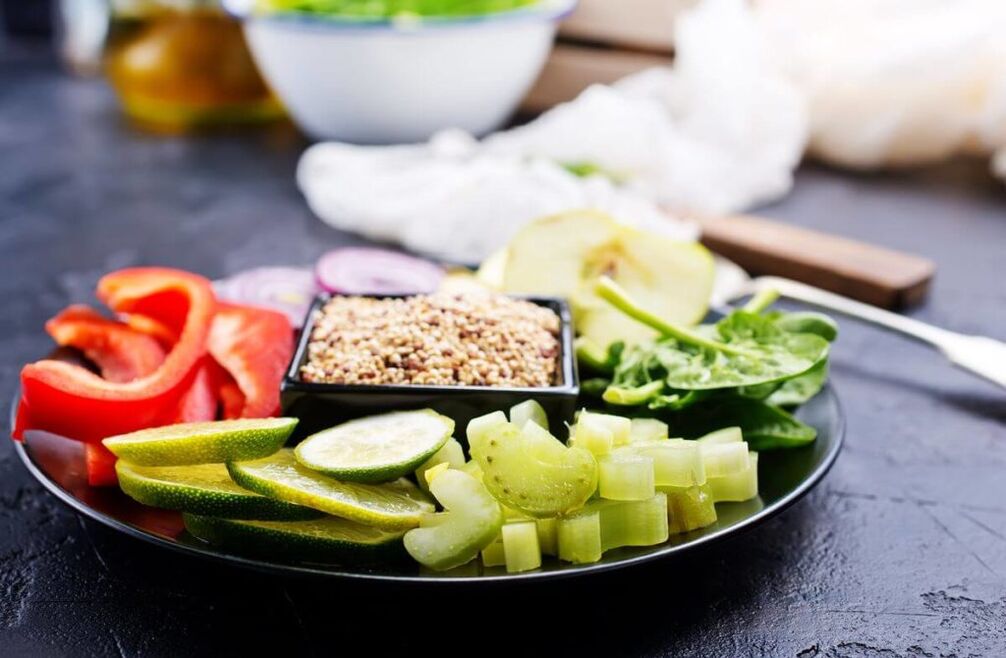
- from fresh vegetables - cucumbers, broccoli and carfiola, celery, fresh herbs (up to 150 g);
- only sour fruits - lemon, grapefruit, green apple, blood orange (up to 200 g);
- sour fruits, except cherries (up to 100 g);
- dried fruits (dried apricots, prunes, white raisins, dried cranberries, cranberries, currants, rowan) (maximum 50 g).
You can add a teaspoon of honey to your diet once a day to make it easier to endure the feeling of hunger.You can lose weight if you eat buckwheat with milk, but the effect will not be so obvious, because... Milk porridge needs to be cooked and has a much higher calorie content.Milk itself is not a dietary product;it causes fermentation in the stomach and intestines and inhibits the absorption of nutrients from grains.There is no diet based on milk buckwheat.
What can you drink?
Proper drinking regimen is the key to achieving maximum effect from the buckwheat diet.Insufficient fluid intake will create gastrointestinal problems;Severe constipation and nausea may occur.Excess water leads to swelling and the elimination of necessary substances from the body.
Nutritionists believe that the optimal amount of fluid is 2.5 liters per day, for adults - 3 liters, for people weighing less than 55 kg - 2 liters.
This amount is determined only by the liquid taken separately and is not included in the dishes.

You can use:
- clean water (spring or filtered water);
- mineral water without gas (if there are no contraindications);
- lemon juice: add 1 glass of water, 10-15 drops of fresh lemon juice;
- unsweetened green tea.
In cases where the diet is not too strict, the following are also allowed:
- 1 cup of weak black tea without sugar in the morning;
- unsweetened birch tar (200 ml);
- unsweetened fruit juice (half fresh juice and water - 200 ml);
- cucumber juice (no more than 100 ml);
- Uzvar apples, pears and unsweetened prunes (200 ml).
All other drinks are prohibited.
Can buckwheat be salted?
It is correct to consume buckwheat for weight loss without salt.For those who have difficulty eating completely salt-free foods, instead of table salt, it is better to use table salt, which contains many additional minerals.
Another option to make porridge more delicious is to use a small amount of soy sauce..
Vegetables in the buckwheat diet
Despite the great benefits of vegetables, especially raw vegetables, their use in the buckwheat diet is still severely limited.This is because the body requires a lot of effort to process them and has very little energy during dietary restrictions.
Raw vegetables contain a lot of fiber, so they act as a "brush" for the intestines and sweep away other foods before nutrients have time to absorb.
White cabbage, Chinese cabbage, Brussels and Savoy, raw carrots and beets, all types of beans cause flatulence and have a laxative effect, which is undesirable during this difficult period for the body.
Vegetables such as potatoes and Jerusalem artichokes are high in calories, and people who combine them with buckwheat instead of losing weight may even gain weight.
Tomatoes and chili peppers irritate the stomach lining and cause cravings.
Allowed raw vegetables include fresh cucumbers, radishes, and a limited number of greens (parsley, dill, lettuce, radish leaves, and petioles).Boiled (preferably steamed), you can add kohlrabi, cauliflower, broccoli, celery stalks, carrots and spinach to your diet.The maximum amount of vegetables is 150 g per day.
How much buckwheat can you eat?
There are no strict rules about how much buckwheat you can eat in your diet.Some sources say "unlimited quantity."But this is fundamentally wrong!If you suppress hunger with large amounts of porridge, you can gain weight even while eating "naked" buckwheat.
The optimal serving size per serving is 200 g of ready-made porridge.Of these 4 doses will be 800 g.You can achieve this if you steam 1.5 cups of dry cereal in 400 ml of water or kefir.This amount will be enough for a person of average weight.For large people, the portion can be increased by 1/3 to not cause hunger.
With a non-strict diet, when adding other products, the amount of porridge should be reduced.
Types of diets
There are more than 50 types of buckwheat diets, they differ in type (strict and soft), in duration (from 1 day to 2 weeks) and in purpose.
1 day on buckwheat
This is a strict choice;In just 1 limited day, you can lose 0.5 to 1 kg on a buckwheat diet.The menu consists only of eating steamed buckwheat twice a day and drinking plenty of water.Surviving a day on such a diet is not difficult, it is easier than starving.There are no special exit rules - the very next day you can return to your original diet.
Buckwheat diet for 3 days
This type is also durable and does not involve the use of other products.The strict mono diet is a 4-meal diet (each meal 200 g of porridge) with drinking 30 minutes before meals and 30 minutes after meals.
This option makes it relatively easy to lose 1 to 3 unnecessary kilograms.When leaving the 3-day diet, other foods should be introduced gradually and this period should last at least 2 days.
Weekly menu
This option is not difficult to maintain, and the results can be very pleasant - loss from 3 to 5 kg, with a strict diet - up to 6-7 kg.
There are several types of weekly diets:
- hard;
- semi-hard (with kefir);
- soft.
In hard or strict type, the menu is similar to the 3-day menu and looks like this:
- a glass of pure water or lemonade 20-30 minutes before breakfast;
- 200 g cooked porridge;
- a glass of water or green tea 30 minutes after eating;
- in between, add 1-2 glasses of liquid and one glass before lunch;
- 200 g porridge for lunch;
- after 30 minutes - a glass of liquid;
- 200 g porridge for an afternoon snack;
- water half an hour before and after, as well as before dinner;
- dinner - 200 g of porridge, no later than 3 hours before bedtime;
- a glass of water before going to bed.
The semi-solid menu contains kefir in an amount of up to 1 liter per day.You can use it to soak grains or rinse it with water.
A light version of the 7-day buckwheat diet has the following menu:
- Drinking regimen is the same as the previous version, only partly liquid;
- may be replaced with permitted beverages;
- breakfast - 200 g buckwheat with kefir or yogurt;
- in the middle - fruit or several pieces of dried fruit;
- lunch - porridge plus boiled meat or fish;
- Afternoon snack - porridge plus salad or vegetables are allowed;
- dinner - porridge and cheese, kefir or yogurt;
- before going to bed - one and a half glasses of kefir with water.
This menu is recommended for pregnant women to follow, regardless of the duration of the diet.
Two-week diet
This is the most difficult choice;only the most persistent will withstand the strict regime (samples of the weekly menu).However, according to those who have lost weight, you can say goodbye to 10-15 kg;a woman on the Internet shares her experience about how she lost 20 kg (it's hard to believe, but a miracle happened).
To get good results and not be too painful, nutritionists recommend following a combined diet:
- The first 3 days - a strict menu;
- The next 4 days - buckwheat-kefir diet;
- The second week is a gradual transition to the soft version.
Such a daily menu allows you to simplify your exit from the diet;The transition will not last long and will eliminate the return of weight afterward.
Therapeutic version of the buckwheat diet
This is gentle and practical, suitable for soft diets.This means that in addition to buckwheat porridge, the menu also includes additional products, but their list depends on the disease for which the therapeutic diet is prescribed.
The healing effect of buckwheat is based on its ability to clean blood vessels from cholesterol plaques, heal the liver, clean the intestines of accumulations, improve the condition of the skin, hair, nails and reduce swelling.
The main menu of the therapeutic diet looks like this:
- breakfast: a portion of porridge without salt, a glass of kefir or 125 g of cottage cheese or 50 g of hard cheese;
- second breakfast - fruit or berries;
- lunch: porridge, 200 g of boiled meat or fish, 100 g of vegetable salad;
- afternoon snack: fruit or 150 g yogurt without additives;
- dinner: porridge and boiled vegetables or a glass of kefir.
Doctors often recommend boiling grains during a medicinal diet so that they become softer and easier to prepare.You can also lose weight with boiled buckwheat, although not much.
Buckwheat diet with additives
It is very difficult to maintain a simple diet of steamed cereals and water.It will be more acceptable to follow one of the buckwheat diet options with additional products.How much you can lose on a buckwheat diet depends on the type and quantity of supplements.The most effective varieties are kefir or dried fruit.
Diet on porridge and kefir
The most popular version of the buckwheat mono-diet, the diet includes cereals and kefir with a fat content of 0 or 1%.

There are two options for preparing buckwheat:
- Soak it overnight in kefir and eat it like that;
- Steam with boiling water, wash with kefir when eating.
Both methods are equivalent in quality and effectiveness.
Effective weight loss is achieved not only by reducing food intake, but also thanks to the mild laxative effect of combining these products, which helps speed up the body's cleansing process.Doctors speak very positively about the buckwheat diet with kefir.
Most often, this type of diet is used for fasting days after festive parties, bouts of alcoholism, overeating or simply to improve health.
One note - on the day of such a diet, you need to stay at home so as not to get into an awkward situation when going to the toilet.
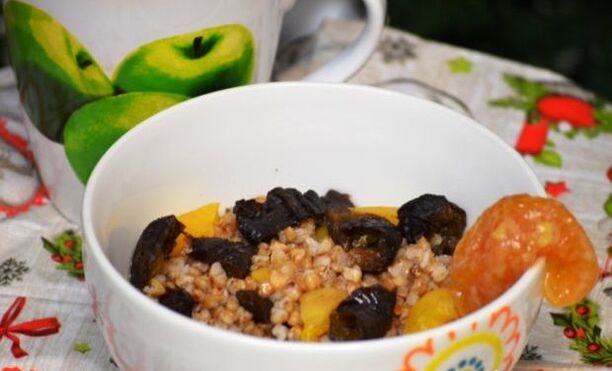
With dried fruit
This type of diet is the tastiest but is not suitable for everyone due to allergies to dried fruits or intolerance to their ingredients.This menu is tastier than porridge without additives and suppresses hunger very well.The weight loss results will be lower but still real.The following dried fruits are used:
- dried apricots, dried apricots;
- prune;
- raisins, cranberries, cranberries;
- raisins from white grape varieties.
They take 50-60 g per day.
How to reduce hunger when dieting
If hunger is unpleasant, you should not torture yourself.Here are some tips:
- Drinking alcohol partially suppresses hunger - a glass of water and you can forget to eat for half an hour or even an hour;
- brushing teeth, strange but useful;
- eat half an apple;
- You can take 1 piece of apricot or prune, chew thoroughly;
- Chew a sprig of fresh parsley or cilantro;
- increase the number of meals to 6, it is not necessary to reduce the portion size;
- distracting activities - taking a bath, going for a walk, an enjoyable activity.
The right way to get out of a diet
This process is no less important than diet;The comfort of the stomach, general condition and whether the weight will return in the future all depend on it.
The correct way to go is:
- During the first 3 days, you should have a light diet, do not eat fried foods, flour, or oil;
- gradually introduce new foods, such as an egg, some meat, a piece of bread;
- Limit salt and limit sweets as much as possible;
- drink the same volume.
Buckwheat for weight loss is a great and proven way to lose weight easily in a short period of time.Options and duration of implementation are selected individually, it is recommended to consult a doctor.Even if you get positive results, you should not overdo the diet;It is necessary to take at least 1 month break between courses.